Coffee has a method of mapping a city. Ask a biker where the best espresso lives, and they'll point you down alleys and across neighborhoods with the self-confidence of a courier. I found out to navigate my own town through roaster smoke and the rattle of shipment bikes. Years earlier, it was all paper bags and compostable tags. Much better than plastic, sure, however still a hill of single-use product packaging. After that a neighbor handed me a nicked stainless cyndrical tube with a purple wax pencil scrawl on the side: Ethiopia, all-natural, 250 g, roast date Monday. That was my very first refillable shipment. Within a month, my trash shrank and my coffee enhanced. The practice stuck.
Refillable coffee bean programs take a straightforward idea, after that press it even more. As opposed to delivery single-use bags, a roaster sends out beans in returnable containers, accumulates the empties, sterilizes them, and repeats. It feels old fashioned, like milk delivery, however the execution counts on contemporary logistics and a little civics. When it functions, you obtain fresher beans, fewer containers to carry to the curb, and the wonderful sensation of shutting a loop.
This is not nearly being virtuous. It also addresses real pain factors in the Coffee Beans Delivery group: stagnant stock sticking around in storehouses, blew up product packaging expenses, and the fate of compostable bags that do not compost in the house. If your concern is the very best Coffee Beans Delivery, meaning preference and reliability first, refillables are worthy of a difficult look.
What "refillable" in fact means
Most programs operate a swap rhythm. Picture this: you place an order for 500 grams of beans. A messenger drops a labeled, food-grade container at your door, then removes last week's empty. The roaster tracks inventory by QR code, weight, or both. Containers can be found in stainless steel, aluminum, glass, or durable HDPE with tight-sealing lids. I have actually seen https://archerwhsi687.tearosediner.net/beans-on-demand-why-coffee-beans-delivery-defeats-store-bought gasketed twist locks that could ride in a carrier bag without a single runaway bean.
Roasters commonly clean the returns in-house with a multi-step procedure: completely dry brush, soapy clean, rinse, sterilize, after that air dry at a regulated temperature. Food safety and security is non-negotiable, so ask just how they handle it. The great programs will inform you, in ordinary language, how usually they audit the procedure and what sanitizers they use.
The payback depends upon reuse cycles. Production a steel cylinder lugs a greater in advance footprint than a paper bag. The break-even factor differs, yet you usually listen to varieties like 15 to 25 cycles prior to the reuse container "success" by life process analysis. That number isn't universal. It changes with transport ranges, washing methods, and container weight. I have actually spoken to one Bay Area roaster that hit parity around cycle 12 by nesting containers for return transportation and utilizing a warmth recuperation loop on their wash station. The fundamental part: if you sign up with a refill program, commit. Failures bust the math.
Freshness and the taste arc
Packaging is not just about waste. It governs exactly how your coffee ages. Bags with valves do a respectable job launching CO2 and slowing oxygen. Metal containers with limited seals do better, particularly at obstructing light and standing up to slits in transit. Still, no container stops time. Refillable programs shine due to the fact that they strip days from the supply chain. When a roaster is loading reusable cylinders for regional distribution, they roast to order. I've received beans 24 hours off roast, warm to the touch in winter. That is not a guarantee, but the pattern is clear: much shorter supply chain, fresher coffee.
If you mean to make within 2 weeks, you'll possibly discover an extra steady decrease in aromatics with refill containers compared with paper bags. In cupping, I have actually measured a distinction of roughly 1 to 2 points on a 100-point SCA grid between refill container storage space and typical bag storage space after 2 week, with the canister team holding extra top notes in cleaned Ethiopians and naturals. That little margin is audible in the cup.
The 2nd benefit is portioning. Numerous services now supply 250 g and 500 g cycles on a regular or once every two weeks cadence. Smaller sized, much more frequent shipments imply fewer staling days. It is a rhythm that matches exactly how most families drink coffee, as opposed to the old "one kg, when a month" concession that penalizes you in the back fifty percent of the bag.
How distribution versions form the experience
You'll see 3 patterns in the wild. First, hyperlocal courier loopholes. A roaster handles its very own bike or van paths inside a city. Containers head out in the early morning, clears come back by mid-day, and the clean terminal hums the following day. This maintains transport exhausts reduced and makes it simple to handle special requests. It likewise locks availability to a limited radius.
Second, regional hubs. Several roasters share a container pool run by a third-party logistics companion. Think of it like the keg model for beer. Containers distribute in between roaster, hub, and clients throughout a city region. The center manages sanitizing and tracking. This resolves range and maintains funding expenses in check, though it includes a layer between you and the roaster.
Third, postal return loopholes. The roaster ships in a lightweight, long lasting vessel with a pre paid return tag. You pour the beans into your home cylinder, fold the carrier, and drop it back in the mail. Less roasters offer this, considering that two-way shipping can nudge the carbon journal in the wrong instructions unless they utilize rail or consolidate parcels. But also for those living outside city cores, it may be the only path to Coffee Beans Delivered without waste.
Each model has compromises. The hyperlocal loop uses the tightest freshness and easiest returns. Hubs unlock range, given that multiple roasters can plug in. Postal loopholes reach farther yet require self-control from consumers to return containers promptly.
The sustainability journal with numbers that matter
A refill program lives or passes away by rep. The very first couple of turns, you're paying down the container's embodied energy. Water use in cleaning matters also, as does the electrical power mix. I checked out one program that logged regarding 1.2 liters of water per cylinder, consisting of pre-rinse and hygiene, with warmth redeemed from the roaster afterburner to warm up the laundry water. One more reported closer to 2 liters when quantities increased and they couldn't set effectively. Multiply that across a thousand consumers, and the delta adds up.
Transport range remains on the opposite side of the scale. A bagged shipment company can deliver from a centralized storehouse with enhanced directing. A refill loophole might run shorter trips regularly. The win arises when you tighten the course, cluster deliveries by neighborhood, and maintain containers light however durable. Glass looks beautiful but weighs more, which hurts the gas mileage math. Stainless-steel beats glass on weight-to-longevity and resists damage. HDPE beats both on weight and price, yet can pick up odors gradually if the wash cycle isn't dialed.
There's a truthful stress below: the Best Coffee Beans Delivery in some cases turns up as constant, tiny batches, which takes the chance of much more trips. The solution is an area rhythm. If your block consolidates distributions to the exact same day, messengers ride a tight figure-eight, not a citywide zigzag. Numerous solutions offer discounts if you straighten with a path day. Consume the little hassle. It pays off.

How to choose a refill program you will not abandon
The quickest way to sour on refillables is to join the incorrect solution for your brewing habits. You do not have to be monogamous with a solitary roaster. The smart relocation is to match a key program to your daily beverage, then keep an eye out for visitor roasters when you really feel adventurous. Expect these signals when reviewing options:
- Roast technique and food selection depth. If you consume light roasts for pour-over, a program built for dark coffee blends will certainly discourage you. Search for greens transparency and seasonal turnings. If they detail origin, handling, ranch or cooperative, and harvest home window, that's a great indicator. For milk drinks, a traditional chocolate-nut blend with some Brazil and Colombia can be a daily winner. Packaging and return logistics. Stainless cylinder with silicone gasket, QR monitoring, clear return plan, and a recognized laundry method. If returns require you to publish labels or drive to a decrease factor across community, you'll put things off, and the loop will certainly break. Delivery rhythm and roast date. You want roast dates within two days of shipment typically and a cadence that fits your consumption. A two-person household developing 30 grams a day will certainly thrive on 250 g once a week or 500 g biweekly. Grinder-friendliness. If you rely upon a supermarket burr grinder, ask for grind options, yet recognize this: whole bean is worth the initiative. Freshly ground coffee in a refill loophole is where the magic happens. Your grinder choice matters greater than your pour-over dripper. Customer support culture. When a container dents or a shipment misses the usual home window, exactly how do they manage it? A few of the most effective programs send a make-good fifty percent bag in a recyclable pouch if they're short on containers, no doubt asked.
Real-world configurations that work
In my cooking area, the refill cylinder lives simply inside a great cupboard door, out of light and away from the stove. We purchase 500 g every two weeks, split in between espresso and filter. The carrier tends to call prior to 9 a.m. If we're out, the motorist tucks the container behind a planter and orders the vacant. On weeks we're traveling, we pause with a text. The roaster reassigns that canister to another consumer on the route, which keeps use high.
For a buddy who consumes just on weekend breaks, the biweekly plan really did not make sense. He moved to month-to-month 250 g shipments and gets a treat bag in compostable paper when something unique lands. No regret. Refillables need to fit your life, not the other method around.
The just hiccup I've had came from a summertime heat wave. A metal container sat on a sunlit stoop for a couple of hours. When I split it, I caught a burst of volatile aromatics that must have been in my mug, not the air. Since then, I've asked the carrier to leave it in the color beside the mailbox. Simple solution, better coffee.
Grinding, storage space, and extraction tweaks with refill canisters
When beans arrive this fresh, your work settings might shift. High-CO2 coffee behaves in a different way. Coffee shots run slower the first three days after roast, after that open. If your dial-in normally sits at 3 on a tipped grinder, anticipate to relocate a notch coarser very early in the week, then return down. For pour-over, blossom time becomes crucial. Fresh beans require more hostile anxiety in the blossom to air vent gas, otherwise you'll see funnelled pours and under-extraction. I flower at a 2 to 1 water-to-coffee ratio for 45 to one minute with mild stirs, then pour in 2 to 3 pulses.
Storage is straightforward. Leave beans in the delivery cylinder if it seals tight. Stay clear of decanting unless your home cylinder is demonstrably much better at sealing. Do not fridge or ice up week-to-week shipments unless you'll go more than two weeks without developing. If you do freeze, split right into single-brew dosages in impermeable jars and thaw just what you need. Fill up programs reduce the need for these acrobatics since the cadence keeps beans moving.
Where refillables outmatch standard Coffee Beans Delivery
Beyond waste reduction, these programs carve out a number of advantages. Initially, fewer hands. The beans go roaster to you, skipping wholesalers and storage rooms. Less time in transportation suggests a narrower variance in taste between weeks. Second, container headspace control. Roasters typically fill up to a certain headspace that matches degassing expectations, which minimizes oxidative tension. Third, personalization. When a roaster recognizes they're riding the very same path past your door weekly, they're more likely to fine-tune a roast profile for your feedback. Replies to delivery texts end up being a little feedback loophole that tightens up the cup.
Pricing sits in a practical band. Compared with costs gotten coffee, expect to pay similar per gram, sometimes a touch less because you're not covering bag prices. Down payments for containers appear on your first order and return when you quit or when the roaster confirms your empties. Down payment amounts array widely, frequently in between the price of one and 3 bags of coffee, depending on container material. If a program markets no down payment, the expense is probably baked into the beans. That can be fine, however see to it you understand the math.
Edge cases and straightforward limits
Refill isn't ideal. Rural addresses usually fall outside messenger areas. If you reside on a gravel roadway thirty miles out, you will likely count on postal loopholes or conventional bags. Some origins are likewise short-run features, not staples. If you want a continuous carousel of uncommon microlots, re-fill could hang back multi-roaster registration boxes that ship from systematized stock.
Allergies and sensitivities present one more obstacle. If a roaster runs decaf and routine via the very same canister pool, cross-exposure can occur. It's not an usual concern, but ask whether decaf has a committed container set. The exact same opts for flavored coffees. Many major refill programs miss flavors entirely to shield container integrity.
Then there's human actions. Containers get lost, dented, hoarded in the rear of cabinets. Excellent programs style for loss with serialized monitoring and mild reminders. I have actually seen success with little incentives connected to on-time returns, like a dollar credit report or the occasional reward 50 g sample for customers with ideal return cadence over a quarter.
Taste first, earth 2nd, and just how they strengthen each other
No one sticks with a service that supplies average coffee, even if it's zero waste. The secret to longevity is that refill programs frequently produce better mugs. Quality, route discipline, and a roaster's interest, all packed in steel and delivered on a foreseeable beat. Start with a roast style you enjoy. Then make a decision how usually you actually consume coffee, not just how usually you believe you should. Align your delivery timetable to the fact, and watch the system assistance you.
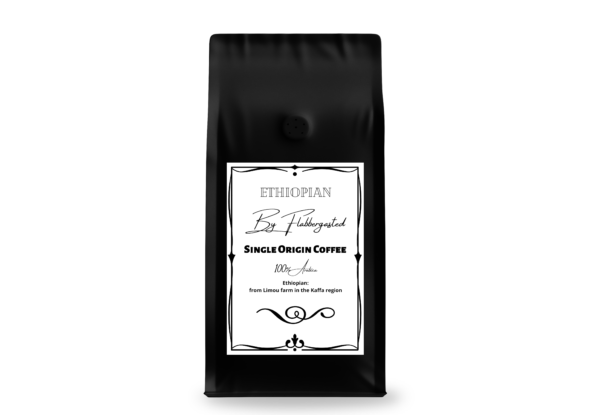
If your goal is the Best Coffee Beans Delivery, calibrate with a simple experiment. Run a head-to-head: one week of refillable shipment against your present bagged favorite. Utilize the same water, mill, mixture approach, and dosage. Track extraction yield if you're into numbers, or simply compose 2 sentences regarding aroma and aftertaste daily. Patterns arise within a week. If the refill wins or links on taste and beats on waste, you have your answer.
A functional path to trying your initial refill service
Here is a brief list to maintain things simple the initial month:
- Find a roaster with a course that already offers your area, a down payment policy you recognize, and at least 2 core accounts you 'd happily drink daily. Start with 250 g once a week or 500 g biweekly, whole bean, and dedicate to four cycles before judging. Freshness and dialing-in improve after the first round trip. Confirm the return regimen, after that established a suggestion on distribution day to place your vacant by the door in the same area each time.
When the fourth shipment hits and the canister swap really feels boring in the very best way, you'll recognize the routine has installed. The thrill returns when a seasonal great deal declines and you declare a small share. Ask your roaster regarding harvest windows. If they can inform you when the new plant from Peru or Burundi generally lands, they're paying attention to environment-friendly coffee quality, not just marketing.
The quiet civic pleasure of a good loop
Refillable coffee isn't just an exclusive act. When a block of next-door neighbors takes on the very same solution, you'll discover a pattern on Thursday mornings. A courier or cargo bike zigzags with exercised performance, a stack of steel containers chinking softly. You switch hellos, after that step within to grind. A tiny loophole closes, and you feel it. Less trash, better coffee, the same front stoop. The system only functions due to the fact that a lot of tiny components align: roasting routines, cleaning protocols, course preparation, your habit of placing empties by the door. It awards integrity, not heroics.
I still acquire the periodic bag on a trip, and I appreciate it. Yet in the house, the container waits on the pantry shelf, etched with little scrapes from years of usage. The lid seals with an enjoyable click. Call it routine, call it routine. Either way, it supplies what counts: beans at their optimal, right when I want them, and nothing left over other than a great morning.